 English
The spine is a chain of 24 vertebrae, discs, facet joints, ligaments and seven layers of muscle. Most back pain is not caused by one damaged structure but by overload: a joint that stops moving well, a disc under too much pressure, muscles that guard and tighten. Sitting for hours, lifting from the back, a sudden twist or simply a lack of strength all add up. The good news: most back pain responds well to treatment that restores movement and builds stability, and only a very small group ever needs surgery.
Back pain treatment in Hilversum
Lower back pain is the most common reason to visit MoveWell. Our chiropractors and physiotherapists see hundreds of patients with back pain every week: acute lumbago, chronic stiffness, disc problems, facet joint pain and pain after lifting, sitting or sport. This page explains what usually causes back pain, when to worry, and how we treat it.
Where back pain comes from
Acute or chronic?
Acute back pain (lumbago) comes on suddenly, often after bending or lifting, and can be severe. It usually responds quickly to treatment; waiting it out in bed tends to prolong it. We try to see acute patients within 24 hours.
Chronic back pain has lasted longer than three months. Here the cause is usually a combination of stiff segments, weak stabilising muscles and habits. The treatment plan is longer and includes training, but the results are just as good.
Common types of back pain we treat
Lumbago and stiffness
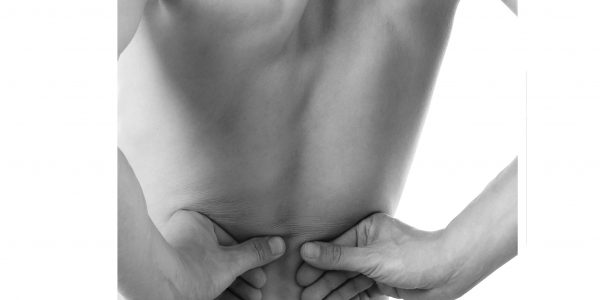
Sudden lower back pain, difficulty straightening up, pain when getting out of a chair or car. Usually a locked facet joint with muscle spasm.
Disc problems
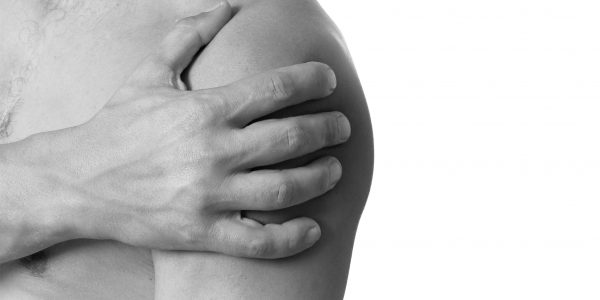
Degenerative disc disease, bulging discs and herniated discs with sciatica. Treated with chiropractic, decompression and rehabilitation.
SI joint and pelvic pain

Pain low in the back and buttock, often one sided, worse when standing on one leg or turning in bed. Common during and after pregnancy.
When to seek help quickly
See us within a day if the pain radiates below the knee, if you have tingling or weakness in a leg, or if the pain keeps you from sleeping. Contact a doctor immediately if you lose control of bladder or bowel, have numbness in the groin area, or have back pain with fever or unexplained weight loss. These are rare, but they need a doctor, not a chiropractor.
How we treat back pain
Examination first
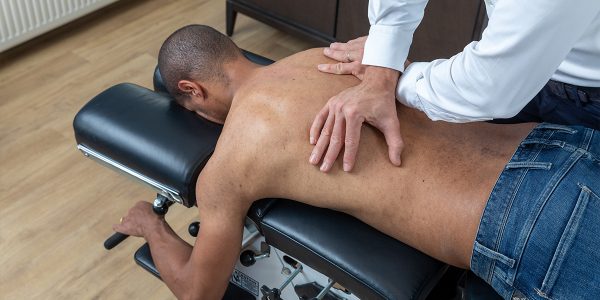
Posture, movement of each segment, strength, reflexes and sensation. We read MRI or X ray reports you bring, and we can use ultrasound for muscles and tendons.
Chiropractic treatment
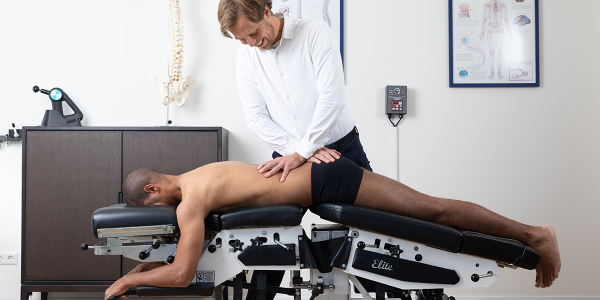
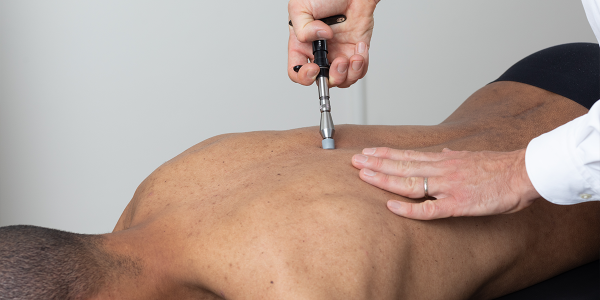
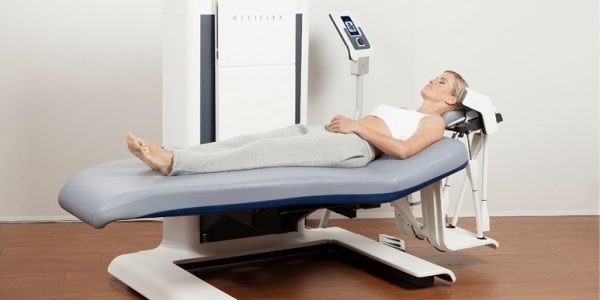
Adjustments and mobilisation restore movement in the locked segments; the decompression table unloads the discs; muscle techniques release the spasm.
Rehabilitation and training
Our physiotherapists and back rehabilitation equipment build the small stabilising muscles. Many patients continue in our medical fitness centre.
Why MoveWell for back pain
A back centre, not a single practitioner
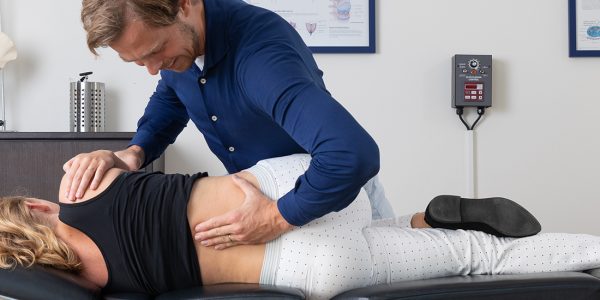
Chiropractors, physiotherapists and exercise therapists in one team, with specialised equipment for the back.
Direct access, fast
No referral needed, acute complaints usually within 24 hours, open until 21:00 on three evenings.
Honest advice
If your back needs a specialist or imaging, we tell you and arrange it with your GP.
Our back specialists


Frequently asked questions about back pain
Should I rest or keep moving with lower back pain?
Keep moving, within the limits of the pain. Short walks several times a day help more than bed rest. Avoid long sitting and heavy lifting until you have been examined.
Should I use heat or ice?
For acute pain with spasm, heat usually feels better and relaxes the muscles. After a fresh injury with swelling, ice for the first day or two. If in doubt, use what gives relief.
Do I need an X ray or MRI for back pain?
Usually not. Imaging is only useful when the examination points to a specific problem or when symptoms do not improve as expected. We tell you when it is needed.
How quickly does back pain improve with chiropractic treatment?
Acute lumbago often improves noticeably within the first one to three visits. Chronic back pain takes longer and needs training; most patients see clear progress within four to six weeks.
Is back pain covered by insurance?
Chiropractic and physiotherapy are reimbursed from the supplementary insurance; the deductible does not apply. See rates and insurance.
Back pain treatment for Hilversum and the Gooi region
MoveWell, Hoge Naarderweg 3E, Hilversum. Patients from Bussum, Laren, Naarden, Huizen, Loosdrecht, Baarn and beyond. Move well, feel better!