 English
Between the vertebrae sit the intervertebral discs, which act as shock absorbers. When the pressure on a disc stays high, the disc changes shape and can press on a nerve root. That causes the typical symptoms: pain in the back or neck, radiating pain into the leg or arm, tingling, numbness or weakness. Decompression reverses the load: a controlled pulling force creates a little space in the disc, improves the flow of fluids and lets the disc regain its shape. For many patients the relief is noticeable during the first sessions.
Spinal decompression therapy in Hilversum
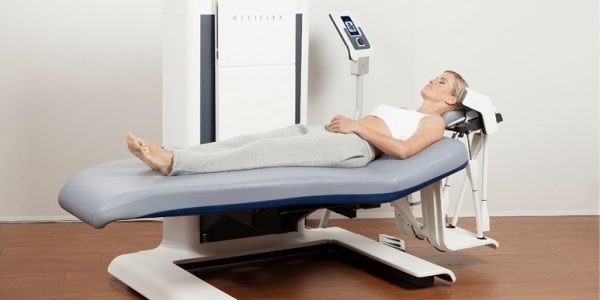
Spinal decompression gently unloads the discs of the lower back or neck, giving a bulging or herniated disc space to recover and taking pressure off the nerve. MoveWell has a dedicated, computer controlled decompression table in Hilversum, used by our chiropractors for herniated discs, sciatica, stenosis and radiating pain, including patients who have tried other treatments without success.
What decompression does
How a session works
You lie comfortably on the table, which is adjusted to your body. For the lower back, a belt is placed around the waist and connected to the computer. The traction force builds up gradually, holds and releases in cycles, tuned to your complaint and build. A session takes about 15 to 20 minutes and is combined with chiropractic treatment of the segments around the disc.
Decompression is not the same as old fashioned traction: the force is computer controlled, pulsed and adjusted in real time, which prevents the muscles from guarding against the pull.
Who benefits from decompression therapy
Herniated disc
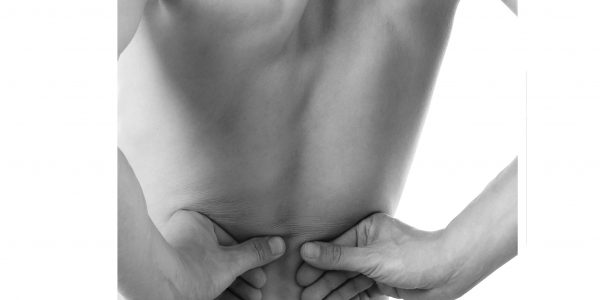
A bulging or herniated disc in the lower back or neck, with or without radiating pain. Herniated disc and sciatica.
Sciatica and radiating pain
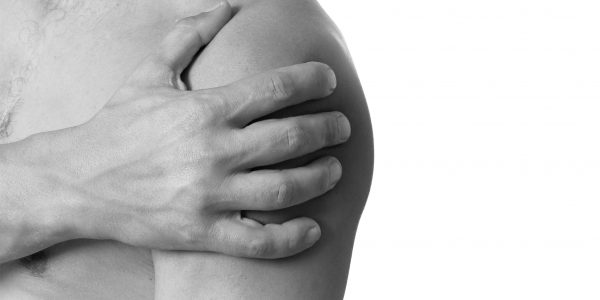
Pain, tingling or numbness in the leg or arm caused by pressure on a nerve root.
Stenosis and disc wear

Narrowing of the spinal canal and degenerative disc disease, often in patients over 50 who cannot walk or stand for long.
What to expect
The chiropractor first examines whether your complaint is suitable; not every back complaint needs decompression. Bring your MRI or X ray report if you have one. A course usually consists of a series of sessions over several weeks, combined with exercises. Decompression is not suitable after recent spinal surgery with fixation, during pregnancy, or with certain bone conditions; we check this before we start.
Decompression as part of the plan
1. Unload
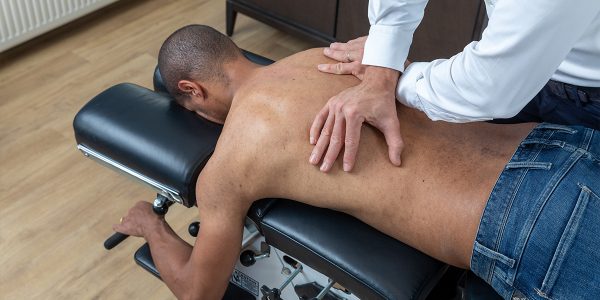
Decompression and gentle chiropractic techniques reduce the pressure on the disc and the nerve.
2. Stabilise
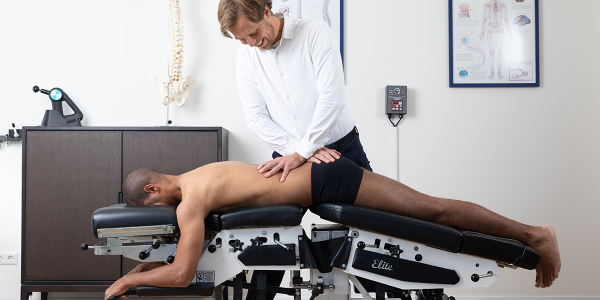
Specific exercises and our back rehabilitation equipment strengthen the small muscles that protect the disc.
3. Prevent
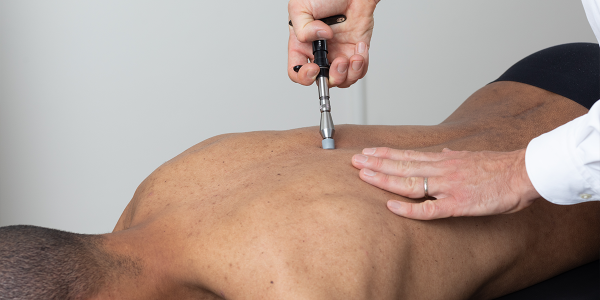
Posture, lifting technique and training advice so the disc stays unloaded in daily life and sport.
Why patients come to MoveWell for decompression
Experience
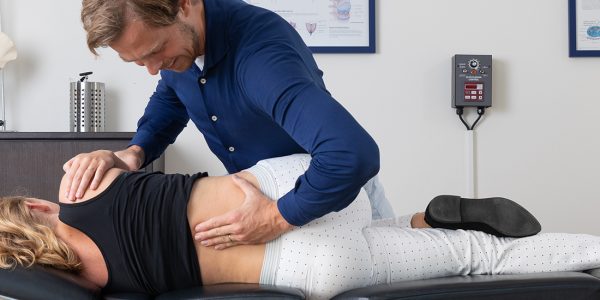
Our chiropractors treat herniated discs and sciatica every day, in a practice that GPs and specialists in the region refer to.
Chiropractic and physiotherapy together
Decompression, chiropractic treatment, physiotherapy and rehabilitation in one plan, under one roof.
No surgery unless needed
Most herniated discs recover without an operation. If your symptoms call for a specialist, we say so and refer you.
Our chiropractors



Frequently asked questions about spinal decompression
Does spinal decompression hurt?
No. Most patients find it relaxing; many fall asleep. The force is built up gradually and adjusted to you.
How many decompression sessions do I need?
That depends on the complaint. A typical course is a series of sessions over a few weeks, combined with chiropractic treatment and exercises. The chiropractor gives you an estimate after the first examination.
Is decompression therapy covered by insurance?
It is part of the chiropractic consultation and is reimbursed in the same way, from the supplementary insurance. See rates and insurance.
Do I need an MRI first?
Not necessarily. The physical examination tells us a lot. If you already have an MRI or X ray report, bring it; it helps us judge the prognosis.
Spinal decompression for Hilversum and the Gooi region
MoveWell, Hoge Naarderweg 3E, Hilversum. Easy to reach from Bussum, Laren, Naarden, Huizen, Loosdrecht, Baarn, Amsterdam and Utrecht. Move well, feel better!