 English
The discs between the vertebrae have a firm outer ring and a soft core. Over the years small tears develop in the ring and the disc can bulge. That is common and often painless. In a smaller group the bulge grows, causes local inflammation and presses on a nerve root: a herniated disc (hernia nuclei pulposi, HNP). Most herniated discs occur in the lower back, between 20 and 50 years of age, and in the lower neck. The large majority recover without surgery; only a very small group needs an operation.
Herniated disc and sciatica treatment in Hilversum
A herniated disc presses on a nerve root and causes pain that radiates into the leg (sciatica) or the arm, often with tingling, numbness or weakness. MoveWell is a back centre that treats herniated discs and sciatica every day, without surgery: chiropractic treatment, spinal decompression, physiotherapy and back rehabilitation in one plan. Acute patients are usually seen within 24 hours.
What a herniated disc is
Sciatica: pain that travels
The sciatic nerve runs from the lower back through the buttock down the leg to the foot; it is the longest nerve in the body. Pressure or irritation anywhere along its course causes sciatica: pain in the buttock and leg, sometimes down to the foot, with tingling or numbness.
A herniated disc is the best known cause, but not the only one. Tight gluteal muscles, a stiff SI joint, stenosis or a locked facet joint can irritate the nerve too. The examination tells us which it is, and that decides the treatment.
Typical symptoms
Radiating pain
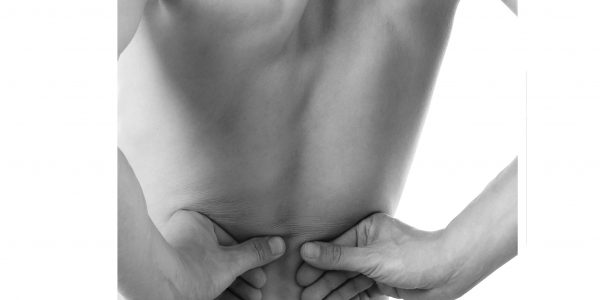
Sharp, burning or aching pain from the back into the buttock, leg or foot; from the neck into the shoulder, arm or hand. Often worse when sitting, coughing or sneezing.
Tingling and numbness
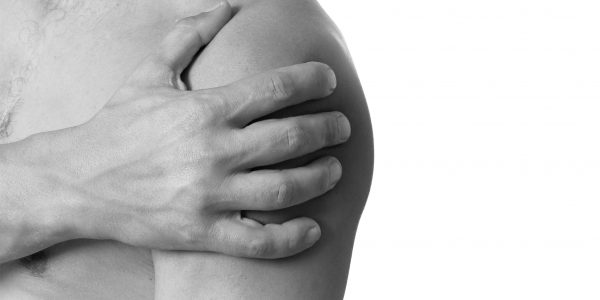
A sleeping feeling or pins and needles in part of the leg, foot, arm or hand, following the course of the nerve.
Weakness

Difficulty lifting the foot, standing on the toes or gripping. Weakness that increases is a reason to be seen quickly.
How we treat a herniated disc
Step 1, unload: the chiropractor takes the pressure off the nerve with light, precise techniques and the decompression table, and gives you positions and movements that relieve the disc (often McKenzie based). This step can take time with a herniated disc. Step 2, stabilise: once the pain subsides, our physiotherapists train the small muscles around the spine with equipment that senses the movement of your back. Step 3, function: return to work, sport and daily life with the right habits, so the disc stays unloaded. Everyone is different; after the first examination you get a plan and an honest estimate of the time it will take.
What MoveWell offers for disc problems
Chiropractic
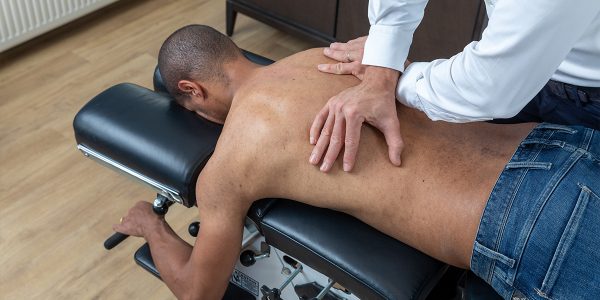
Gentle mobilisation and adjustments of the segments around the disc, never force on the painful level.
Spinal decompression
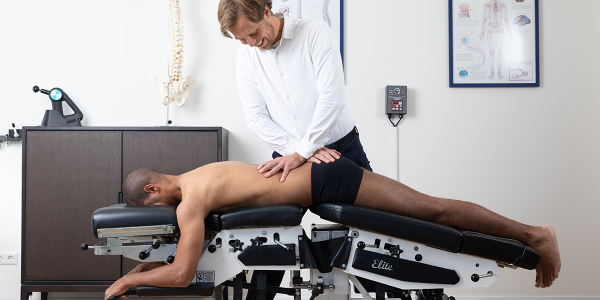
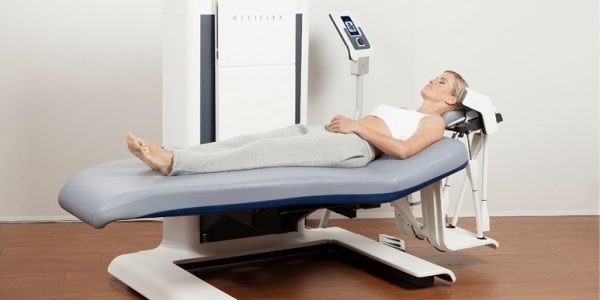
A computer controlled table that creates space in the disc and relieves the nerve. How it works.
Back rehabilitation
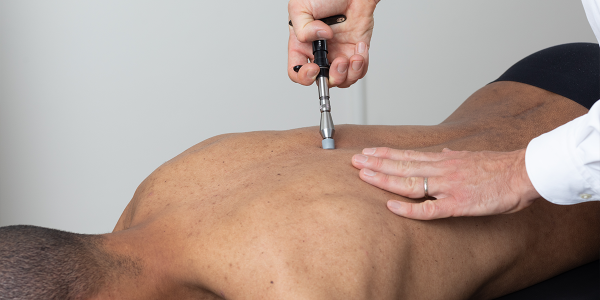
Physiotherapy and a dedicated stabilisation programme in our own gym, built up slowly so a fragile back is never overloaded.
Why patients with a herniated disc choose MoveWell
Daily experience
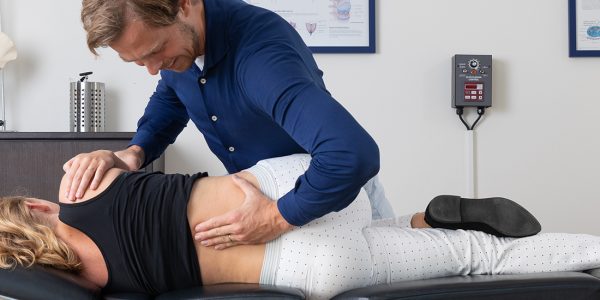
Our chiropractors see many patients with herniated discs and sciatica every week; GPs and specialists refer complex cases to us.
One plan, several disciplines
Chiropractic, decompression, physiotherapy and rehabilitation under one roof, so the plan adapts as you recover.
Honest about surgery
If your symptoms need a neurosurgeon or an MRI, we say so and arrange it with your GP.
Our back specialists



Frequently asked questions about herniated discs and sciatica
Can a chiropractor treat a herniated disc?
Yes. Chiropractors are trained to examine and treat herniated discs without surgery, using gentle techniques, decompression and exercises. We do not force the painful level.
Should I wait with treatment until the pain is bearable?
No. The sooner the pressure comes off the disc, the better. Even with severe pain we advise you to come; we book acute patients within 24 hours.
How long does a herniated disc take to heal?
Most people improve clearly within six to twelve weeks; full recovery and stabilisation can take a few months. Weakness or numbness recovers more slowly than pain.
When is surgery necessary?
Only in a small group: increasing weakness, loss of bladder or bowel control, or severe pain that does not respond to treatment. In those cases we refer you to your GP and a specialist without delay.
Can I work and exercise with a herniated disc?
Usually yes, with adjustments. Walking is good; prolonged sitting, bending and lifting are not. We give you a plan for work and sport that fits the stage of your recovery.
Herniated disc treatment for Hilversum, the Gooi region and beyond
MoveWell, Hoge Naarderweg 3E, Hilversum. Patients come from Bussum, Laren, Naarden, Huizen, Loosdrecht, Baarn, Amsterdam and Utrecht. Move well, feel better!